商家無疑把大量注意力放在了新千禧一代身上。但是想要得到那種真正忠實而且愿意為高品質(zhì)產(chǎn)品和服務(wù)買單的用戶���,商家需要尋找新方向����。
THE MILLENNIAL GENERATION
CERTAINLY GETS A LOT OF ATTENTION FROM COMPANIES AND BUSINESSES. BUT FOR A
TRULY LOYAL BASE OF CUSTOMERS WHO ARE WILLING TO PAY FOR QUALITY PRODUCTS AND SERVICES, BRANDS SHOULD BE LOOKING ELSEWHERE.

作為年度消費者年齡白皮書的一部分, Tetra Pak把注意力從二十到三十歲左右的消費人群轉(zhuǎn)移到了六十歲以上?,F(xiàn)在這個年齡階段的人群被嚴(yán)重忽視了�����。全球只有百分之一的新產(chǎn)品是直接針對他們的���。到2050年����,六十歲以上的人數(shù)將超過世界總?cè)丝诘奈宸种?。那么品牌如何改變包裝來針對年長者老年人做市場��,同時解決快速增長的人口所帶來的特定問題。
As part of their annual Consumer Generations Whitepaper, Tetra Pak shifted the focus from people in their 20s and 30s
to those who are 60+. Currently, this age group is massively underserved with
only 1% of global innovation directly targeted towards them. But by the year
2050 they will make up over 20% of the world’s population. How can
brands improve their packaging to market to seniors while also solving the
particular problems experienced by this rapidly growing demographic?
THE BUYING HABITS OF
SENIORS 老年人群體的消費習(xí)慣
現(xiàn)在的生活節(jié)奏越來越快。品牌一定要努力吸引消費者的注意力��,否則很可能會被更好的產(chǎn)品所替代而被消費者所遺忘��。Tetra Pak的調(diào)查結(jié)果顯示老年人一旦發(fā)現(xiàn)合適的品牌,百分之三十的人不會再尋找新的替代品牌���。但是年輕人則會尋找更便宜更流行的東西��。六十歲以上的人更喜歡熟悉的事物,值得信賴的產(chǎn)品會讓他們感到很舒適�。
In a fast-paced world, brands must fight to constantly
engage consumers or they risk being forgotten once something better comes
along. However, Tetra Pak’s research discovered that once seniors find a brand
that satisfies them, 30% don’t bother to experiment to find new ones. Whereas
younger generations may seek out less expensive or trendier options, the 60+
audience prefers familiarity and finds a certain comfort in products on which
they can rely.
除了忠誠度很高,這個年齡階段的人有能力消費一定程度的高品質(zhì)產(chǎn)品。僅僅在美國��,55到64歲之間的人的可支配收入是25歲以下年輕人的兩倍。 Tetra Pak的全球市場的副總Libby Costin說:“年長的人比年輕人有更多的可支配收入���。在接下來的幾十年中,比如說到2020年美國的消費總值為十萬億美元����,而他們也會成為消費主力軍之一����。這將是一個巨大的商機(jī)�?!?/p>
Not only are they more loyal, but this age group desires
a certain level of quality that they’re more than happy (and able) to pay for.
In the United States alone, the disposable income of those 55-64 is twice as
much as those under 25. Libby Costin, VP Global Marketing at Tetra Pak,
mentioned, “[Seniors] have more disposable income than previous generations,
and are poised to become one of the most important consumer groups over the
next decade with a total spending power of US$10 trillion by 2020. This creates
a huge opportunity for manufacturers to respond to their needs.”
中老年人希望把他們的錢花在能夠很大程度提高生活品質(zhì)的東西上面�����。年齡超過六十的人會把健康和家庭關(guān)系看做是健康生活的重要組成部分,然而物質(zhì)擁有排名明顯很靠后�����。為了吸引年長者老年人群體的注意力����,產(chǎn)品或者服務(wù)不止要出眾或者富有創(chuàng)意�,而且它一定要和六十歲以上人群的核心價值聯(lián)系起來�。比如說健康地變老����,活力的生活方式��,傳統(tǒng),家庭等等���。
While seniors have disposable income, they want to spend it primarily on
goods and services that will vastly improve their lives. Those over 60 cited
good health and strong family relationships as the most important factors for a
healthy life, while material possessions ranked significantly lower. To truly
appeal to seniors, a product or service cannot merely be outstanding or
innovative; instead, it must also tie into some of the core values of the 60+
crowd, such as healthy aging, an active lifestyle, tradition, and family.
PACKAGING DESIGN FOR SENIORS 為老年人設(shè)計包裝
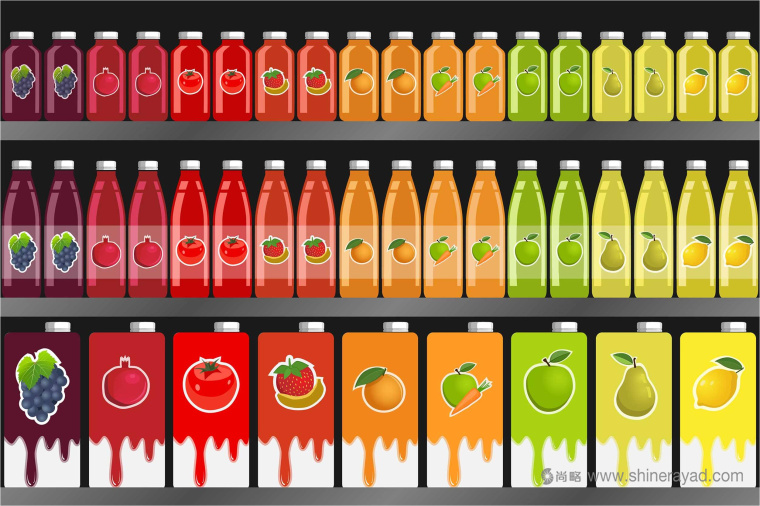
很難想象年齡是如何真正影響到身體的�。但是對于老年人來說打開他們最喜歡產(chǎn)品的外包裝有可能會構(gòu)成每天的挑戰(zhàn)。下次當(dāng)你費勁開一個罐子���,瓶子或者盒子時�,想象一下一個八十歲的老奶奶(她的力氣只有三十歲女人力氣的一半)可能會經(jīng)歷同樣的挫敗感。除了力氣,注意力和視力的下降也會增加閱讀標(biāo)簽的難度�����。
It’s hard to imagine how aging genuinely affects the body, but for
seniors it can pose an everyday challenge to simply generate the necessary
force to open some of their favorite products. The next time you struggle to
open a jar, bottle, or box, imagine the frustration an 80 year-old woman (who
averages half of the grip strength of a 30 year-old woman) must experience in
the same situation. In addition to strength issues, loss of focus and decreased
light transmission lowers the ability to read labels.
Tetra Pak美國的市場服務(wù)總監(jiān)Julia Sotera說:“問題的關(guān)鍵是我們知道老年人可能會遇到這些困難���,所以把它做簡單。干凈的標(biāo)簽是需要起作用的���,但是也不要忘記設(shè)計是寶貴提議的一部分���。把整個產(chǎn)品的提議和這個聯(lián)系起來,這就是設(shè)計中的關(guān)鍵�?����!闭{(diào)查研究顯示對那些超過六十歲的消費者有效的包裝有以下下五種因素:
“The key point is that we know seniors may have some challenges, so keep
it simple,” advised Julia Sotera, Director Marketing Services, Tetra Pak
Americas. “The clean label is something that should play a role here, but also
don’t forget that the design is part of the value proposition. Link this with
the proposition of the whole product—this is key in design.” Research proved
that effective packaging for those over 60 possesses five important attributes
that seniors want and need:
視覺傳達(dá):圖表,顏色,圖片以及排版需要把消費者帶給一種類似于旅程的經(jīng)驗���,但是用明確清晰的方式�����。
Visual communication:Graphics, colors, images, and typography should take
the consumer on a journey, but in a clear and defined way.
易讀性:文字一定要易于閱讀。小字體�����,淡色,低對比色會增加閱讀難度���。
Legibility: Text must be easy to read. Small fonts, pale colors,
and low contrasts negatively impact label readability.
包裝開口:不止是真正容易打開和關(guān)閉,而且一定要非常清楚的示意出如何打開�。
Opening - Not only should it be physically easy to open and
close, but it must be incredibly clear to the consumer how to open the item.
包裝拿放:由于日漸減少的力氣和不協(xié)調(diào)的身體狀態(tài)���,包裝的形狀和重量應(yīng)該讓使用者容易拿住并使用。
Handling - Due to decreased strength and rheumatic disorders,
package shape and weight should make it easy to hold and use.
保質(zhì)期:對于食物和飲料產(chǎn)品�����,創(chuàng)新的封口能夠增加保質(zhì)期。這便能夠減少行動不太方便的人去商店的次數(shù)�。
Perishability: For food and drink items, innovative seals can increase
shelf life and lead to fewer trips to the store for those who struggle with
mobility.
尚略上海品牌策劃設(shè)計公司����,上海包裝設(shè)計公司認(rèn)為最重要的是�,老年人不想被貼上“老年人”的標(biāo)簽。去問問任何一個超過五十歲的人��,他們都會覺得自己感覺比真實年齡小十歲甚至更多。Costin說:“他們感覺不到年老���,他們也不想被當(dāng)成老年人。”為了贏得年長者的市場����,品牌一定要把注意力放在他們的需求和價值上面�,而不是他們有多老��。畢竟,年齡只是一個數(shù)字��。
Most importantly, though: seniors don’t want to be
marketed to as “seniors.” Ask anyone over 50, and they’ll likely tell you they
feel younger than their actual age by 10 years or more. “They don’t feel old
and they don’t want to be treated as old,” Costin stated. To target seniors,
brands must focus on their needs and values rather than how old they are. After
all, age is just a number.
文章發(fā)布:尚略廣告公司品牌策劃設(shè)計部原創(chuàng)翻譯����,轉(zhuǎn)載請注明出處����。
本文網(wǎng)址:http://m.907632.com/news_info.asp?id=2346
尚略上海品牌策劃設(shè)計公司快速導(dǎo)航: